
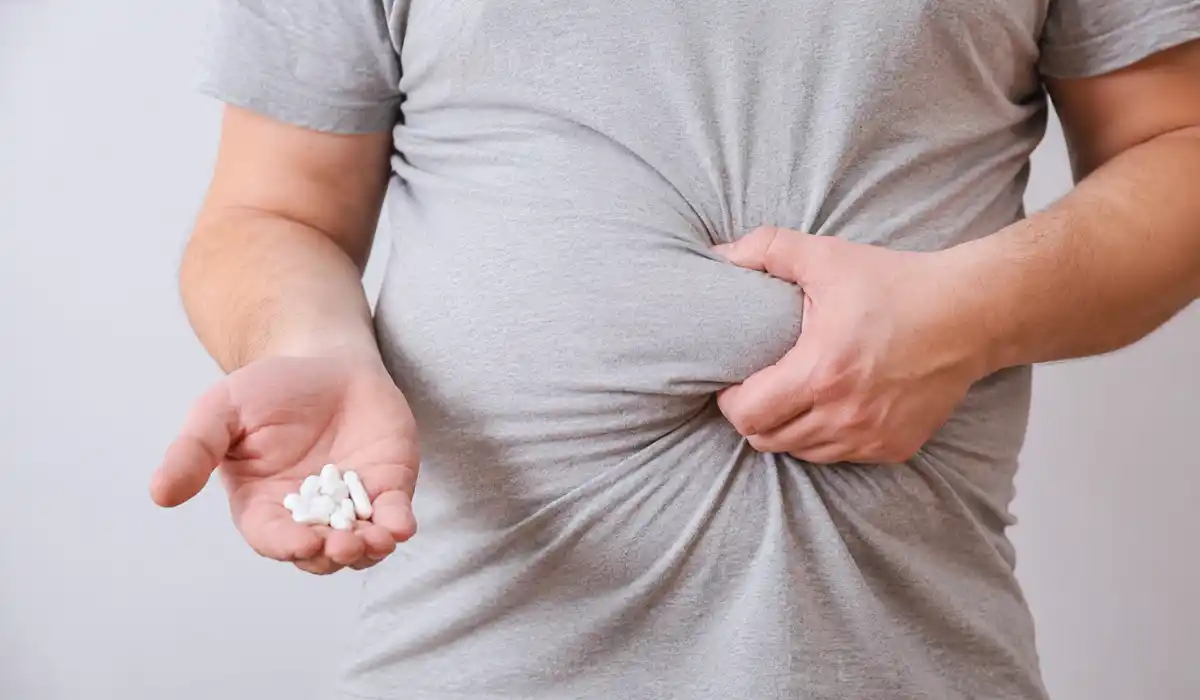
Gabapentin can cause weight gain in some people, but it does not happen to everyone. Many people take gabapentin without noticing major changes in their weight. For others, weight may slowly increase after starting the medicine, especially when it is used for a longer time.
The weight change may be linked to tiredness, increased appetite, swelling, or reduced daily activity. If you are taking gabapentin and notice weight gain, it is important not to panic or stop the medicine suddenly. A doctor can help you understand what may be causing it.
Why Some People Gain Weight While Taking Gabapentin?
Weight gain from gabapentin may happen for more than one reason. Some people feel sleepy, tired, or dizzy when they take it. When energy levels drop, daily movement may also decrease. Over time, burning fewer calories can lead to gradual weight gain.
Another possible reason is increased appetite. Some people feel hungrier than usual after starting gabapentin. They may snack more often or eat larger portions without realizing it. Small daily changes in eating habits can slowly affect body weight.
Fluid Retention And Swelling
Gabapentin may sometimes cause swelling in the hands, feet, ankles, or legs. This is known as fluid retention. When the body holds extra fluid, the number on the scale can rise even if body fat has not increased.
This type of weight gain may feel different from regular fat gain. Shoes may feel tighter, socks may leave deeper marks, or ankles may look puffier by the evening. If swelling is sudden, painful, or severe, it should be discussed with a healthcare provider.
Is Weight Gain Common With Gabapentin?
Weight gain is possible with gabapentin, but it is not guaranteed. Some people may notice no change at all, while others may gain a few pounds over time. The effect can depend on dose, duration, lifestyle, health conditions, and other medicines.
People taking higher doses or using gabapentin for several months may be more likely to notice changes. However, weight gain can also be caused by other factors, such as age, reduced activity, diet, sleep problems, or the health condition being treated.
How Much Weight Can Gabapentin Cause?
There is no fixed amount of weight gain that applies to everyone. Some people may gain only a small amount, while others may notice more visible changes. The increase is often gradual rather than sudden.
If weight gain happens quickly, it may be related to fluid retention instead of fat gain. Tracking your weight, swelling, appetite, and energy level can help your doctor decide whether gabapentin may be playing a role.
Who May Be More Likely To Gain Weight?
People who already struggle with low activity, fatigue, or chronic pain may be more likely to gain weight while taking gabapentin. Pain can make exercise harder, and gabapentin-related sleepiness may add to that problem.
People taking other medicines that can affect appetite or weight may also notice changes. These may include some antidepressants, mood medicines, diabetes medicines, or steroids. A doctor or pharmacist can review your full medicine list.
Signs Your Weight Gain May Be Linked To Gabapentin
Weight gain may be linked to gabapentin if it started after beginning the medicine or after a dose increase. You may also notice more tiredness, less movement, stronger hunger, or swelling around the ankles and feet.
Keeping a simple record can be helpful. Write down your weight once or twice a week, your dose, appetite changes, and any swelling. This gives your healthcare provider a clearer picture instead of relying on memory alone.
What You Can Do To Manage Weight Changes?
Small daily habits can help reduce the chance of weight gain. Try to eat balanced meals with protein, vegetables, fiber, and healthy portions. Avoid relying too much on sugary snacks, fried foods, or high-calorie drinks.
Movement can also help, even if it is gentle. Short walks, stretching, light home exercises, or physical therapy may support weight control. If pain limits activity, ask your doctor what type of movement is safe for your condition.
Do Not Stop Gabapentin Suddenly
If you think gabapentin is causing weight gain, speak with your doctor before making changes. Stopping gabapentin suddenly can cause unwanted symptoms and may be risky, especially for people who take it for seizures.
Your doctor may adjust the dose, suggest lifestyle changes, check for swelling, or consider another treatment. The right choice depends on why you are taking gabapentin and how well it is helping your symptoms.
When To Call A Doctor?
You should contact a healthcare provider if weight gain is sudden, swelling becomes noticeable, or you feel short of breath. These signs may need medical attention, especially if swelling affects the legs, feet, or face.
You should also seek advice if weight gain affects your confidence, mobility, or health goals. Your doctor may check your weight history, diet, other medicines, kidney function, and overall health before deciding what to do next.
Can Weight Gain Go Away After Stopping Gabapentin?
Some people may lose weight after reducing or stopping gabapentin, especially if the medicine caused tiredness, appetite changes, or fluid retention. However, this does not happen the same way for everyone.
Weight may also depend on lifestyle, other medicines, medical conditions, and activity level. If gabapentin is stopped, it should usually be reduced slowly under medical guidance. This helps lower the risk of withdrawal symptoms or returning pain.
Healthy Ways To Talk To Your Doctor
When speaking with your doctor, explain when the weight gain started and how much you gained. Mention any swelling, appetite changes, tiredness, or changes in activity. This helps your doctor understand the full picture.
You can also ask whether your dose may be adjusted or whether another medicine is suitable. Do not feel embarrassed to bring up weight concerns. Medication side effects are common topics, and your provider is there to help.
Conclusion
So, does gabapentin cause weight gain? Yes, it can in some people, but not everyone will experience it. Weight changes may happen because of increased appetite, tiredness, reduced activity, or fluid retention.
If you notice weight gain while taking gabapentin, do not stop it suddenly. Track your symptoms and speak with your doctor. With the right guidance, it may be possible to manage your weight while still treating your condition safely.
FAQs
No, gabapentin does not cause weight gain in everyone. Some people notice no weight change, while others may gain weight gradually over time.
Gabapentin may cause tiredness, increased appetite, or fluid retention. These changes can reduce activity, increase calorie intake, or make the body hold extra water.
Weight gain may happen slowly over weeks or months. Sudden weight increase may be linked to swelling or fluid retention and should be checked.
Do not stop gabapentin suddenly without medical advice. Your doctor may lower the dose slowly or suggest another treatment if needed.
Eat balanced meals, watch portion sizes, stay active as much as possible, and track weight changes. Speak with your doctor if changes continue.
References
MedlinePlus
Gabapentin Drug Information
https://medlineplus.gov/druginfo/meds/a694007.html
U.S. Food and Drug Administration
Neurontin / Gabapentin Prescribing Information
https://www.accessdata.fda.gov/drugsatfda_docs/label/2017/020235s064_020882s047_021129s046lbl.pdf
NHS
Side Effects of Gabapentin
https://www.nhs.uk/medicines/gabapentin/side-effects-of-gabapentin/
National Center for Biotechnology Information
Gabapentin – StatPearls
https://www.ncbi.nlm.nih.gov/books/NBK493228/