
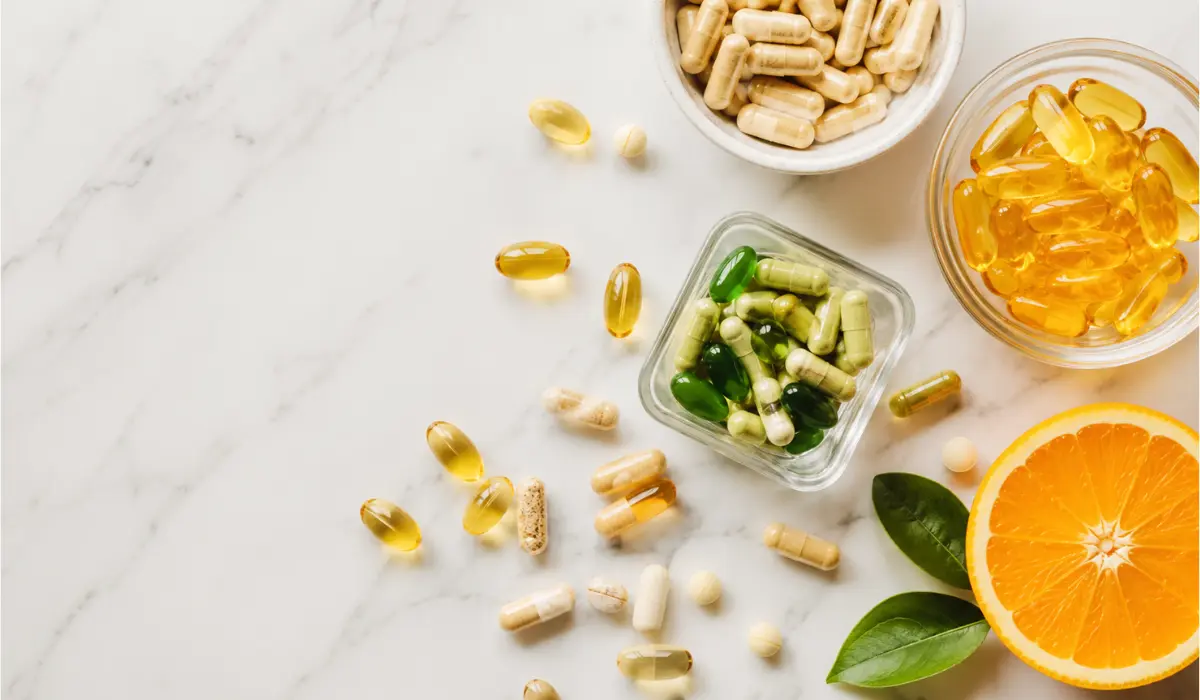
Daily wellness begins with simple habits. Eating balanced meals, drinking enough water, sleeping well, exercising, and managing stress all play an important role in daily feelings. Vitamins can support these habits by providing the body with the nutrients it needs to function normally.
Vitamins are not a substitute for healthy food or medical care. They are most effective when used wisely, considering individual needs, diet, age, health conditions, and advice from a qualified professional. The NIH states that dietary supplements may help some people meet their nutrient needs, but they should be chosen carefully.
Why Vitamins Matter in Everyday Health?
Vitamins help the body perform many daily functions. They support energy production, immune defense, bone strength, skin health, eye health, and normal cell repair. When the body does not get enough key nutrients, a person may feel tired, weak, or off balance in their daily routine.
Many people can get enough vitamins from a healthy diet that includes fruits, vegetables, whole grains, lean protein, dairy or fortified foods, nuts, and seeds. However, some individuals may need extra support due to diet limitations, age, pregnancy, low sun exposure, or specific health conditions.
Getting Vitamins From Food First
Food should usually be the first source of daily vitamins. Whole foods provide more than one nutrient at a time. For example, fruits and vegetables may offer vitamins, minerals, fiber, and antioxidants together. This makes them helpful for overall wellness, digestion, and long-term health.
A simple plate can include colorful vegetables, a protein source, whole grains, and healthy fats. Small changes, such as adding leafy greens, citrus fruits, eggs, yogurt, beans, or nuts, can improve nutrient intake without making the routine complicated.
Common Vitamins That Support Daily Wellness
Vitamin D
Vitamin D supports bone health, immune function, and normal muscle activity. Many people get some vitamin D from sunlight, but indoor lifestyles, sunscreen use, weather, and darker skin tone may reduce natural production. Foods like fortified milk, eggs, and fatty fish can also provide vitamin D.
Too much vitamin D from supplements can be harmful, especially when taken in high doses for a long time. NIH notes that vitamin D toxicity is usually linked to excessive supplement intake, so dosage should be handled carefully.
Vitamin C
Vitamin C is known for supporting immune health, skin repair, and antioxidant protection. It also helps the body absorb iron from plant-based foods. Common sources include oranges, lemons, strawberries, bell peppers, kiwi, broccoli, and tomatoes.
Most people can get vitamin C through food. A supplement may be useful for some people with low intake, but very high amounts can cause stomach upset in some cases. Daily balance is more important than taking large doses.
B Vitamins
B vitamins help the body convert food into energy. They also support brain function, red blood cell formation, and nerve health. Foods such as eggs, fish, meat, dairy, beans, leafy greens, and whole grains can provide different B vitamins.
Vitamin B12 is especially important for people who follow vegan or strict vegetarian diets because it is mostly found in animal-based foods. Older adults and people with absorption problems may also need medical guidance about B12.
Vitamin A and Vitamin E
Vitamin A supports vision, immune health, and skin function. It can be found in foods like carrots, sweet potatoes, spinach, eggs, and dairy. Vitamin E supports antioxidant protection and is found in nuts, seeds, and vegetable oils.
Both vitamins are fat-soluble, which means the body stores them. Taking too much through supplements may increase the risk of side effects. This is why high-dose supplements should not be used casually without professional advice.
When Supplements May Be Helpful?
Supplements may be useful when food intake is not enough or when a person has a confirmed deficiency. They may also be recommended during pregnancy, for older adults, for people with restricted diets, or for those with certain medical needs.
However, supplements should not be taken only because they are popular. The FDA explains that dietary supplements can have benefits but may also carry risks, especially if they interact with medicines or are taken in high amounts.
How To Choose Vitamins Safely?
Before choosing a vitamin, read the label carefully. Check the serving size, nutrient amount, percentage of daily value, added ingredients, and warning notes. Avoid products that make unrealistic claims like “cures disease” or “works instantly.”
It is also wise to choose trusted brands that follow quality testing. The FDA does not approve dietary supplements for safety and effectiveness before they are sold, so consumers need to be careful when comparing products.
Simple Daily Wellness Tips
A healthy routine does not need to be extreme. Try to eat a variety of foods, spend time outdoors when possible, stay hydrated, and avoid skipping meals often. These small habits can support natural vitamin intake and daily energy.
People who feel tired often should not assume vitamins are the only answer. Poor sleep, stress, dehydration, low iron, thyroid issues, or other health conditions can also affect energy. A healthcare provider can help identify the real cause.
Cautions Before Taking Vitamins
Do not mix many supplements without checking the total amount of each nutrient. Some multivitamins, fortified foods, protein powders and individual vitamins may overlap. This can lead to taking more than the body needs.
People who are pregnant, nursing, taking prescription medicines, managing chronic illness, or preparing for surgery should ask a healthcare provider before using supplements. Vitamins can support wellness, but they should be used with care.
Final Thoughts
Vitamins for daily wellness can be helpful when used as part of a balanced lifestyle. They support normal body functions, but they are not magic pills. Good food, movement, sleep, hydration, and regular medical care still matter most.
The best approach is simple: eat nutrient-rich foods first, use supplements only when needed, read labels carefully, and avoid high doses unless advised by a professional. With the right balance, vitamins can become a safe part of everyday wellness.
FAQs
Some people may benefit from daily vitamins, but not everyone needs them. It depends on your diet, health condition, age, lifestyle, and nutrient levels.
No. Vitamins cannot replace healthy food. Whole foods provide fiber, protein, minerals, antioxidants, and other nutrients that supplements alone cannot fully provide.
It depends on the vitamin. Some are better with food, especially fat-soluble vitamins like A, D, E, and K. Always follow the label.
Many multivitamins are safe when used as directed, but high doses or mixing products can cause problems. Ask a healthcare provider when unsure.