
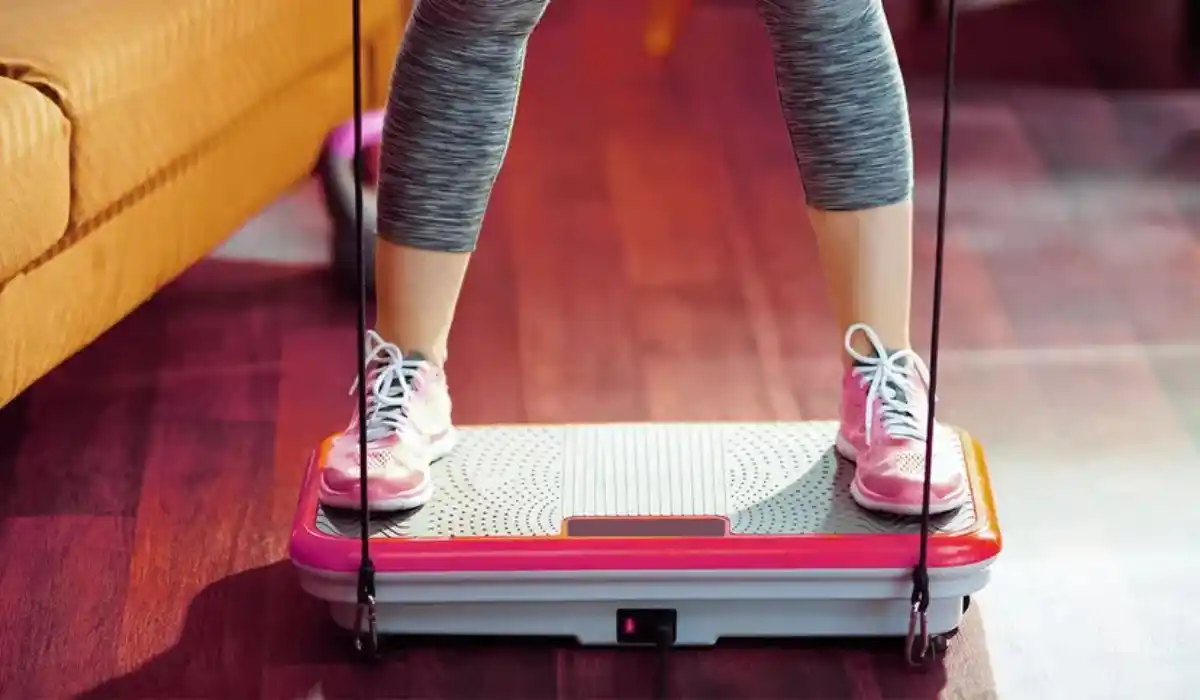
Vibration plates are becoming popular in home fitness, recovery, and wellness routines. Many people use them for muscle activation, balance, circulation, lymphatic drainage, and low-impact exercise. But before adding one to your routine, it helps to understand the real vibration plate benefits and what this machine can and cannot do.
A vibration plate, also called a whole body vibration machine, creates fast movements through a platform. When you stand, sit, stretch, or exercise on it, your muscles contract and relax quickly to help your body stay stable. This can make simple movements feel more active.
What Is a Vibration Plate?
A vibration plate is a piece of home fitness equipment with a vibrating platform. You can stand on it, sit on it, or use it during exercises such as squats, calf raises, lunges, planks, and stretches.
The machine creates small vibrations that travel through the body. These vibrations may help activate muscles, challenge balance, and support a low impact home workout for people who want short, simple movement sessions.
How Does Whole Body Vibration Work?
Whole body vibration works by creating repeated movement under your feet or body. Your muscles respond by tightening and relaxing many times in a short period.
This response may support a muscle activation workout, especially when you combine the machine with controlled exercises. A vibration plate does not replace walking, strength training, or healthy eating, but it may add extra intensity to simple movements.
Main Vibration Plate Benefits
The most common vibration plate benefits include muscle activation, balance support, circulation support, flexibility, recovery, and low-impact movement. Some people also use the machine for lymphatic support, weight loss routines, and senior fitness.
Results vary from person to person. Your age, health, fitness level, machine setting, posture, and consistency can all affect results. The best approach is to use the plate as one part of a larger fitness and wellness routine.
Vibration Plate Benefits for Muscle Activation
One of the strongest reasons people use a vibration plate is muscle activation. When the platform vibrates, your legs, glutes, core, and stabilizing muscles work harder to keep your body steady.
This can make basic moves like squats, calf raises, and planks feel more challenging. For beginners, this may be a simple way to increase movement without doing high-impact exercise.
Vibration Plate for Weight Loss
Many people search for a vibration plate for weight loss because they want a simple way to support fat loss. A vibration plate may help you move more, activate muscles, and add intensity to short workouts.
However, it does not burn fat by itself. Real weight loss still depends on calorie balance, healthy eating, daily activity, strength training, sleep, and consistency. Use the machine as a support tool, not a quick fix.
Vibration Plate for Belly Fat
A common trending search is vibration plate for belly fat. It is important to understand that no machine can target fat loss from only one body area.
A vibration plate may help support exercise and muscle engagement, but belly fat reduction depends on overall fat loss. A balanced diet, walking, resistance training, and regular movement matter more than any single device.
Vibration Plate Lymphatic Drainage
Another popular topic is vibration plate lymphatic drainage. The lymphatic system helps move fluid and waste through the body. Gentle movement and muscle contractions can support this natural process.
A vibration plate may help by creating repeated muscle contractions while you stand or move on the platform. Some people use it as part of a lymphatic drainage routine, especially when they feel stiff, puffy, or inactive. Still, it should not replace medical care for swelling or lymphatic problems.
Vibration Plate for Circulation
A vibration plate for circulation may help some users feel warmer, looser, or more energized after a short session. The repeated muscle contractions may support blood flow in the legs and lower body.
People with blood clots, circulation problems, heart disease, uncontrolled blood pressure, or nerve conditions should speak with a healthcare provider before using one. Safety matters more than trend-based use.
Vibration Plate for Bone Density
Some people use a vibration plate for bone density, especially older adults or people interested in low-impact fitness. Research has studied whole body vibration for bone and muscle health, with mixed results depending on the group, machine settings, and study design.
A vibration plate should not replace weight-bearing exercise, resistance training, or medical treatment for osteoporosis. People with severe osteoporosis, fractures, or high fall risk should get medical approval first.
Vibration Plate for Seniors
A vibration plate for seniors may support balance, mobility, leg strength, and low-impact movement when used carefully. Some older adults may find it easier than intense gym workouts.
Seniors should start slowly, use low settings, and hold a stable support if needed. Anyone with vertigo, heart problems, joint replacements, severe osteoporosis, or fall risk should ask a doctor before starting.
Vibration Plate Exercises for Beginners
Simple vibration plate exercises are best for beginners. Start with standing on the plate with soft knees, feet hip-width apart, and good posture. Avoid locking your knees.
Other beginner-friendly moves include calf raises, mini squats, seated leg activation, glute bridges with feet on the platform, and gentle planks with hands on the plate. Keep the session short and controlled.
Best Vibration Plate Exercises
The best vibration plate exercises depend on your fitness level. Beginners can start with standing, calf raises, and mini squats. Intermediate users may try lunges, push-ups, planks, resistance band rows, or glute bridges.
Good form is more important than speed. Move slowly, keep your core engaged, and avoid using the highest setting too soon. A safe workout should feel active but not painful or dizzying.
Vibration Plate Workout Routine
A simple vibration plate workout can take 10 to 15 minutes. Start with one to two minutes of standing or gentle calf raises. Then add mini squats, light lunges, planks, and stretches.
Use low or moderate intensity at first. Increase time or difficulty only when your body feels comfortable. Short, consistent sessions are better than long sessions done with poor posture.
Vibration Plate Before and After Results
Many people search for vibration plate before and after results. Realistic results may include feeling more active, improved consistency, better balance, reduced stiffness, or stronger workout habits.
Visible body changes depend on many factors. Diet, workout routine, sleep, stress, age, hormones, and overall activity level all play a role. Be careful with exaggerated before-and-after claims online.
Vibration Plate as a Fitness Recovery Tool
A vibration plate may work as a fitness recovery tool for some people. Gentle vibration after exercise may help the body feel less stiff and may make stretching more comfortable.
Use lower settings for recovery. Avoid using strong vibration on injured areas, swollen joints, or sharp pain. Stop if symptoms get worse.
Vibration Plate Machine Benefits for Home Fitness
The main vibration plate machine benefits are convenience, low-impact movement, and easy home use. Many people like that they can use it in a small space without a full gym setup.
It may help people stay consistent with movement, especially when they do not have time for long workouts. Still, it works best when combined with walking, resistance training, stretching, and healthy food choices.
How Long Should You Use a Vibration Plate?
Beginners can start with 5 to 10 minutes at a low setting. This gives your body time to adjust without overdoing it.
As you become more comfortable, you may increase the time slowly. Longer is not always better. Stop if you feel dizzy, nauseated, short of breath, or uncomfortable.
How Often Should You Use a Vibration Plate?
Many users start with two to four sessions per week. Some people use it more often at low intensity, but beginners should avoid daily high-intensity use.
Listen to your body. If you feel sore, tired, dizzy, or uncomfortable, reduce the time or frequency. A vibration plate should support your routine, not make recovery harder.
Who Should Avoid Vibration Plates?
Vibration plates are not safe for everyone. People who are pregnant or have a pacemaker, blood clots, severe osteoporosis, recent surgery, epilepsy, serious heart disease, uncontrolled high blood pressure, or severe vertigo should avoid use unless a doctor approves it.
People with hernias, joint replacements, migraines, nerve disorders, or active injuries should also be careful. Always ask a healthcare provider if you have a medical condition.
Common Mistakes to Avoid
Do not lock your knees while standing on the plate. Keep them slightly bent to reduce stress on the joints and head.
Avoid using the highest setting too soon. Do not expect the machine to replace a full fitness plan. Also avoid standing passively every time. Controlled movement usually gives better results than simply standing still.
Are Vibration Plates Worth It?
A vibration plate may be worth it if you want a low-impact tool for balance, circulation, mobility, recovery, and home workouts. It can make simple exercises feel more active.
It may not be worth it if you expect fast weight loss or spot reduction. The best results come from using it with a balanced diet, strength training, walking, and consistent healthy habits.
Final Thoughts
The main vibration plate benefits include muscle activation, balance support, circulation support, flexibility, recovery, and low-impact movement. Many people also use it for weight loss support, lymphatic drainage routines, senior fitness, and home workouts.
A vibration plate is not a magic machine. It works best as part of a complete routine that includes regular movement, strength training, stretching, healthy eating, sleep, and medical guidance when needed.
FAQs
The main vibration plate benefits include muscle activation, balance support, circulation support, flexibility, recovery, and low-impact home exercise.
A vibration plate may support weight loss by helping you move more, but it works best with healthy eating, walking, and strength training.
A vibration plate may support lymphatic drainage by encouraging repeated muscle contractions, but it should not replace medical care for swelling.
The best vibration plate exercises include calf raises, mini squats, planks, glute bridges, lunges, and gentle stretches.
Some seniors may use vibration plates for balance and mobility, but they should start slowly and ask a doctor if they have health concerns.
A vibration plate cannot target belly fat directly. Overall fat loss depends on diet, exercise, calorie balance, and consistent healthy habits.